Understanding Mackay’s Cemetery Regulations Before Choosing A Headstone
Losing a loved one brings a long list of decisions at a time when emotions are already running high. Choosing a memorial is one of the most meaningful steps in the process, yet it is often approached with little knowledge of the rules that apply within a cemetery. While many families focus on the appearance of a monument, cemetery regulations can influence everything from its size and design to the materials used and how it is installed. Understanding these requirements before ordering a memorial can help avoid unnecessary delays, additional costs and disappointment.
Whether you are considering traditional monuments or modern memorial options, knowing what is permitted can make the process smoother and give you confidence that your loved one's memorial will be approved and installed without complications.
Why Cemetery Regulations Exist
Cemetery regulations are designed to maintain safety, consistency and accessibility throughout burial grounds. They help ensure that monuments remain structurally sound, pathways stay clear and maintenance crews can safely carry out their work.
These regulations are typically established and enforced by the cemetery operator or local council. They are not intended to limit personal tributes but rather to create a respectful environment that can be maintained for generations.
Key reasons regulations exist include:
- Protecting public safety
- Preserving the appearance of cemetery grounds
- Ensuring memorials remain durable over time
- Maintaining access for visitors and maintenance staff
- Supporting fair and consistent standards across burial sections
A professional stone mason can help interpret these requirements and explain how they affect your memorial options before any work begins.
Understanding Who Approves Memorials
One of the most common misconceptions is that once a family chooses a headstone design, installation can proceed immediately. In reality, most memorials require approval before they can be installed.
Approval processes generally involve reviewing plans against the cemetery's by-laws and memorial standards. This may include checking dimensions, materials, placement and foundation specifications.
The approval process often considers:
- Memorial dimensions
- Material selections
- Installation methods
- Placement within the grave site
- Compliance with section-specific rules
An experienced stone mason will typically prepare the necessary documentation and assist with the approval process, reducing the administrative burden on families.
Size Restrictions Can Affect Your Design Choices
A memorial may look perfect in a showroom or catalogue, but that does not necessarily mean it can be installed within a particular cemetery section. Many cemeteries have strict limits regarding monument height, width, depth and overall footprint.
These restrictions vary between sections and plot types. A design suitable for one area may not be permitted in another.
Common size-related requirements include:
- Maximum monument height
- Approved base dimensions
- Limits on monument width
- Restrictions on monument depth
- Required clearance around neighbouring plots
When selecting
headstones in Mackay, confirming size requirements early can prevent costly redesigns later in the process.
Material Requirements Are More Important Than Many Families Realise
The type of stone used in a memorial is not always a matter of personal preference alone. Some cemeteries restrict the materials that can be used due to durability, maintenance requirements or visual consistency.
Natural stone products such as granite are commonly approved because of their strength and ability to withstand decades of exposure. Other materials may be subject to additional assessment or may not be permitted at all.
Material-related considerations often include:
- Approved stone types
- Surface finishes
- Colour limitations
- Durability requirements
- Long-term maintenance considerations
A stone mason can guide families through material selections that meet both personal preferences and cemetery requirements.
Lawn Sections and General Sections Often Have Different Rules
Not all cemetery areas operate under the same standards. One of the most significant distinctions is the difference between lawn sections and general monument sections.
Lawn sections are designed for easier maintenance and often have stricter rules regarding monument size and style. Memorials in these areas may be limited to flat plaques or low-profile markers.
General sections may provide greater flexibility and allow larger monuments, subject to approval.
Differences often include:
- Permitted memorial styles
- Height restrictions
- Kerbing allowances
- Plaque requirements
- Foundation specifications
Understanding which section your loved one is buried in is an essential first step before designing a memorial.
Kerbing and Surround Restrictions Can Influence Memorial Plans
Many families envision a memorial with decorative surrounds, kerbing or additional stonework around the grave. However, these features are often restricted in certain cemetery areas.
Maintenance requirements are one of the primary reasons for these restrictions. Lawn sections, in particular, frequently prohibit kerbing because it can interfere with mowing and grounds maintenance.
Restrictions may apply to:
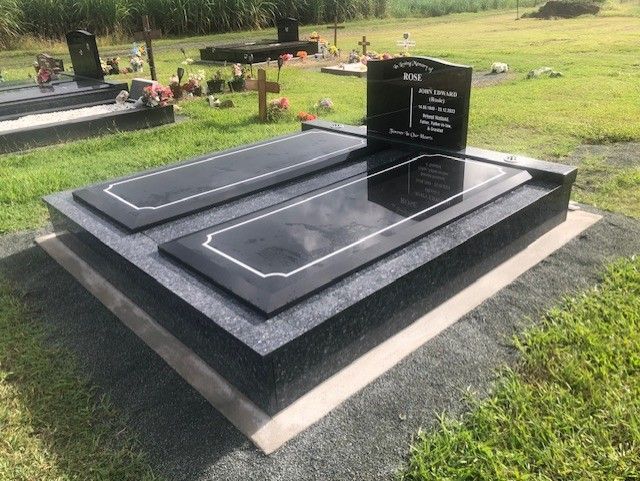
- Full grave surrounds
- Raised kerbing
- Decorative edging
- Garden beds
- Additional stone structures
Discussing these possibilities with a stone mason early in the planning stage can help identify suitable alternatives that comply with cemetery regulations.
Foundation and Installation Standards Must Be Followed
A headstone is only as secure as the foundation beneath it. For this reason, cemeteries often have detailed requirements regarding installation methods and footing construction.
These standards are designed to ensure long-term stability and reduce the risk of movement or damage over time.
Installation requirements may cover:
- Concrete foundation specifications
- Monument anchoring methods
- Depth requirements
- Reinforcement standards
- Safety inspections
Professional installation is essential not only for compliance but also for preserving the integrity of the memorial for future generations.
Checking the By-Laws Before Ordering Can Save Time and Money
One of the simplest ways to avoid complications is to confirm the applicable cemetery regulations before finalising a memorial design. Families often assume all cemeteries follow similar standards, only to discover important differences after placing an order.
Obtaining current by-laws or speaking directly with the cemetery office can provide clarity about what is permitted.
Helpful steps include:
- Identifying the cemetery section
- Requesting current memorial guidelines
- Confirming size restrictions
- Checking approved materials
- Discussing installation requirements
A stone mason who regularly works with local cemeteries can often assist with these enquiries and identify potential issues before they become expensive problems.
What Happens When a Memorial Does Not Comply?
Non-compliant memorials can create significant challenges for families. Depending on the circumstances, a cemetery may refuse installation approval, require modifications or request removal of an existing memorial.
These outcomes can lead to additional costs, project delays and unnecessary stress during an already difficult time.
Potential consequences include:
- Delayed installation
- Redesign costs
- Additional approval fees
- Modification requirements
- Removal and replacement expenses
The most effective way to avoid these issues is to ensure compliance from the beginning. Working with a knowledgeable stone mason helps minimise uncertainty and ensures the memorial is designed with cemetery requirements in mind.
Choosing Guidance Alongside a Memorial
Selecting a memorial is about much more than choosing stone, lettering and design details. It also involves navigating a range of regulations that can affect what is possible within a particular cemetery. Understanding requirements related to dimensions, materials, installation methods and section-specific rules can help families make informed decisions and avoid unexpected setbacks.
For many people, the reassurance of having an experienced professional manage these details is invaluable. It allows families to focus on creating a meaningful tribute while knowing the practical requirements are being handled correctly.
Need Help Navigating Cemetery Requirements?
We at Mackay Monumental Masons understand that choosing a memorial can feel overwhelming, particularly when you're also trying to understand cemetery regulations and approval processes.
Whether you're considering headstones in Mackay for a loved one at Mackay General Cemetery, Lawn Hill or another local cemetery, we can guide you through the requirements, assist with approvals and help create a memorial that meets all relevant standards. Contact us today to discuss your options and receive practical advice tailored to your family's needs.